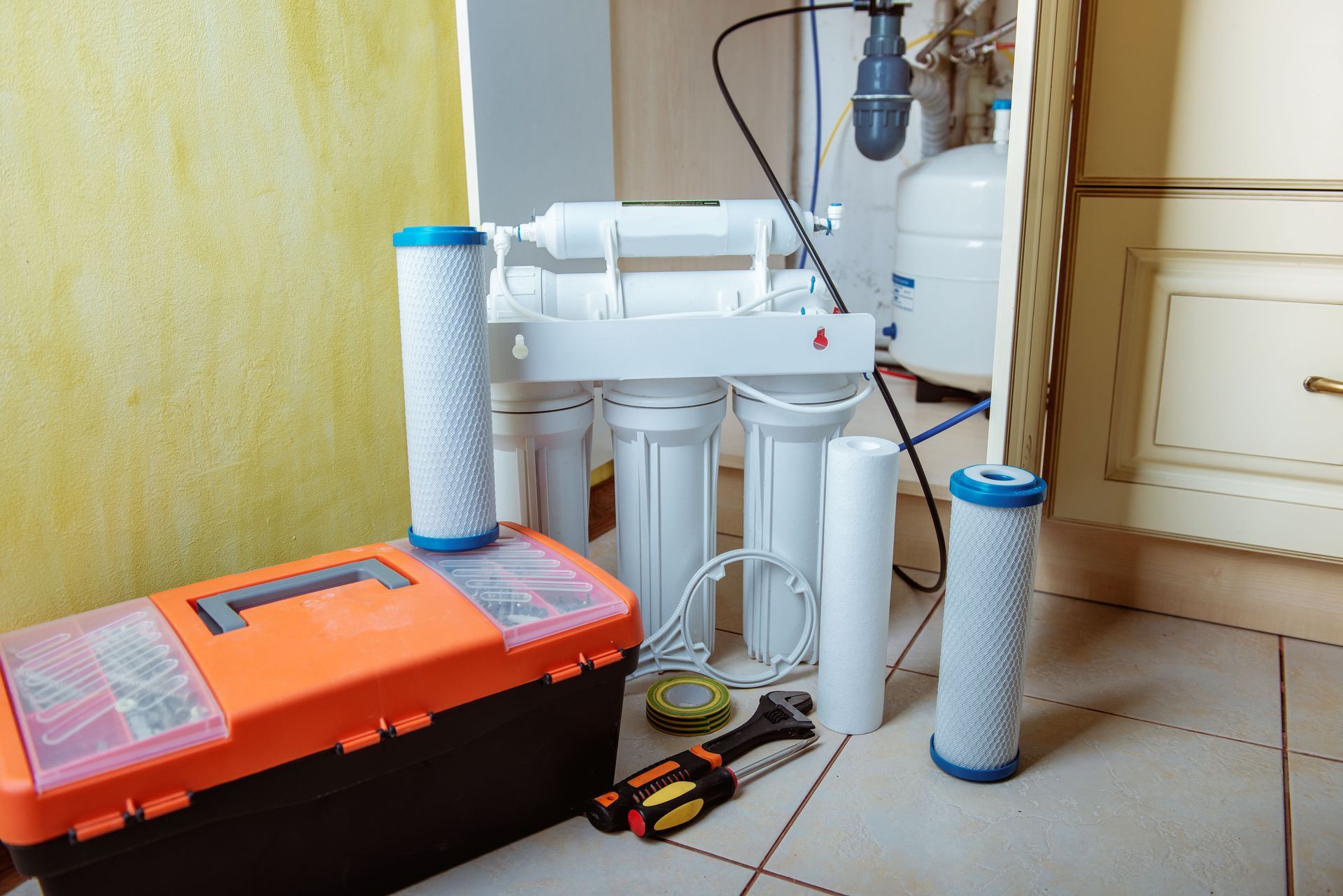
A reverse osmosis drinking water system depends on properly maintained filters to reduce unwanted particles and help keep water tasting fresh. Because filters gradually collect the substances they are designed to remove, replacing them on schedule is an important part of maintaining system performance. The right replacement interval depends on the filter type, household water use, and the quality of the incoming water. Understanding these factors can help homeowners avoid unnecessary wear and maintain reliable access to treated drinking water.
Following the Recommended Filter Replacement Schedule
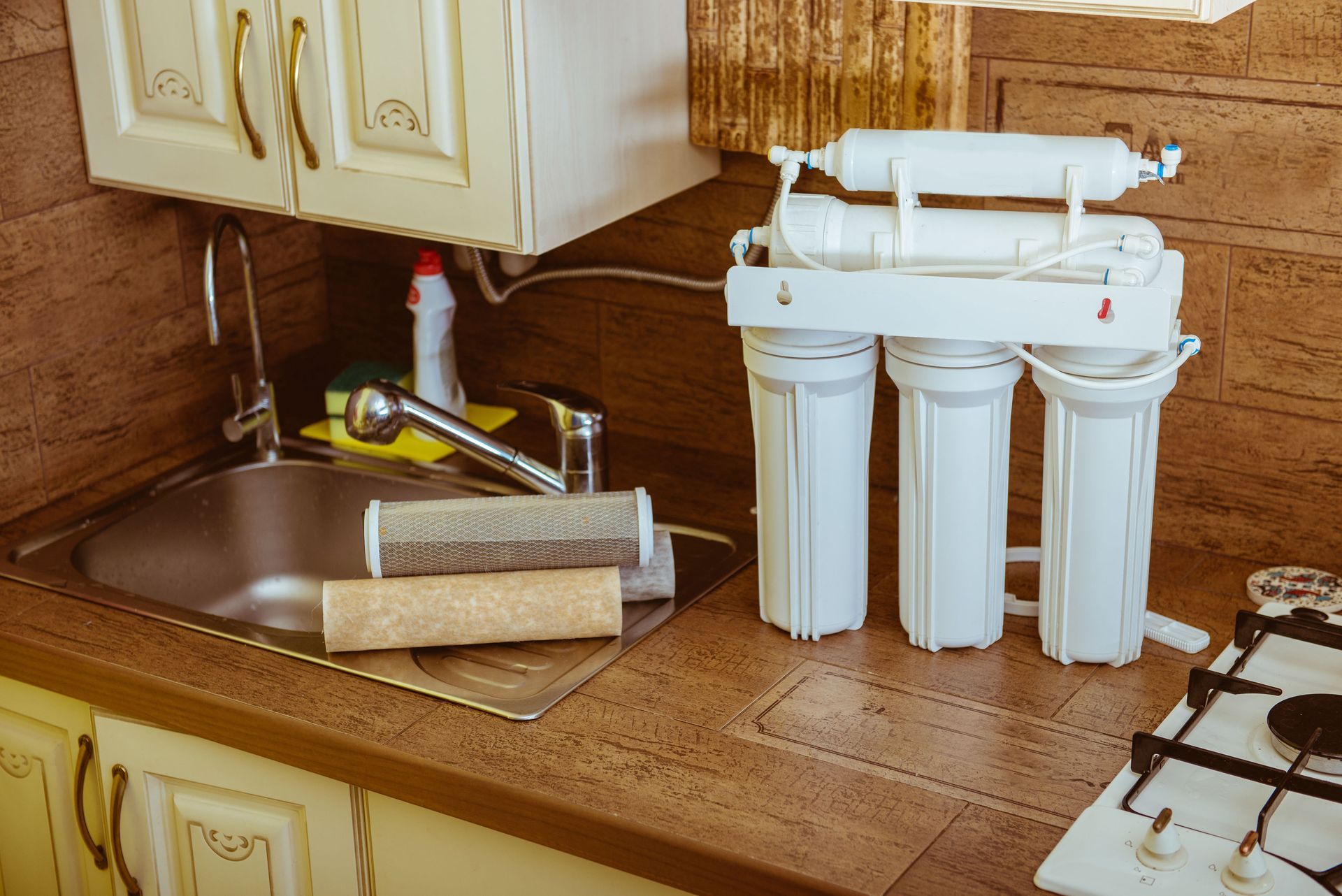
Most drinking water systems use multiple filtration stages, and each component serves a different purpose and has an expected service life. Some filters capture sediment, while others reduce chlorine, odors, and other unwanted substances. Reverse osmosis membranes provide another layer of treatment by separating many dissolved impurities from the water.
Although replacement schedules vary by manufacturer and model, common guidelines include:
- Sediment prefilters: Often replaced every six to 12 months, depending on sediment levels and water usage.
- Carbon filters: Commonly replaced every six to 12 months to maintain their ability to reduce chlorine, taste, and odor concerns.
- Reverse osmosis membranes: May last approximately two to three years, although water quality and usage can affect their lifespan.
- Post-filters: Often replaced about once a year to help maintain water quality and taste before water reaches the faucet.
These timeframes are general estimates rather than universal requirements. Homeowners should always consult their equipment manual or manufacturer recommendations before replacing components. A drinking water system may have different intervals based on its design, filter capacity, and the conditions of the household water supply.
Recognizing Signs of a Worn-Out Filter
A filter does not always stop working suddenly when it reaches the end of its useful life. Instead, homeowners may notice gradual changes in water quality or system performance. Paying attention to these warning signs can help prevent overdue replacements.
Common indicators include:
- Changes in taste or odor: Water may develop an unpleasant or unusual taste when a carbon filter becomes less effective.
- Reduced water flow: A clogged sediment filter can restrict water movement and make it take longer to fill a glass.
- Cloudiness or visible particles: Changes in the water's appearance may indicate a filtration issue that requires further investigation.
- Unusual system operation: A drinking water system that produces less water than usual or takes longer to refill may need attention.
These symptoms do not always mean a filter needs replacement. Other components or water supply issues may be responsible. If a change occurs, homeowners should check the manufacturer's troubleshooting guidance and consider professional assistance to identify the cause.
Considering Household Water Quality and Usage
The recommended replacement schedule is only one factor in determining how frequently filters should be changed. Household conditions can affect how quickly filtration components clog or lose effectiveness. For example, homes with high sediment levels may need more frequent sediment filter replacements. A household with several residents may also use more filtered water than a smaller household, increasing the amount of water that passes through each component.
Hard water can create additional concerns for household plumbing and water treatment equipment. According to Fixr, an estimated 85% of homes in the United States have some degree of hard water. This widespread condition occurs when water contains elevated levels of minerals such as calcium and magnesium. Although standard reverse osmosis filters are designed to address different water quality concerns, mineral content and other characteristics of the incoming supply can influence maintenance needs.
Homeowners should consider having their water tested to understand its specific characteristics. Testing can help identify concerns such as hardness, sediment, and other water quality issues that may affect filtration performance. A drinking water system can then be maintained according to the conditions it actually encounters rather than relying only on a general schedule.
Maintaining Filters Between Replacements
Replacing filters at the appropriate intervals is essential, but regular attention between service appointments can also support consistent performance. Homeowners should become familiar with their equipment and follow the manufacturer's instructions for routine care.
Helpful maintenance practices include:
- Keeping a replacement record: Write down the date each filter is installed so upcoming replacements are easier to track.
- Checking for leaks: Periodically inspect accessible connections and housings for signs of moisture or damage.
- Following cleaning instructions: Clean reusable components only as directed by the manufacturer.
- Using compatible replacement filters: Choose components designed for the specific equipment model to help maintain proper operation.
- Watching for performance changes: Pay attention to water taste, flow, and other signs that may indicate a maintenance concern.
Homeowners should avoid waiting until water quality noticeably declines before checking their filters. Some filtration components can lose effectiveness without producing an obvious change in appearance or taste. Keeping a consistent maintenance schedule helps reduce the likelihood of overlooking an important replacement.
Avoiding Common Filter Replacement Mistakes
Even homeowners who understand the importance of regular maintenance can make mistakes when caring for their equipment. One common issue is assuming that every filter needs to be replaced at the same time. Because different components serve different purposes, their service lives are not necessarily identical.
Another mistake is delaying replacements because the water still tastes normal. A filter may continue to allow water to flow while becoming less effective at reducing the substances it is designed to remove. Following the recommended schedule is more dependable than relying on taste or appearance alone.
Using the wrong replacement component can also create problems. Filters that are not compatible with the equipment may fail to fit properly or provide the intended treatment. Before purchasing replacements, homeowners should verify the system model and the manufacturer's specifications.
Finally, some people attempt to change components without following the proper installation procedure. Incorrect installation can lead to leaks, poor connections, or reduced performance. When instructions are unclear, professional assistance can help ensure the work is completed correctly.
Scheduling Professional Water Treatment Maintenance
Professional maintenance can help homeowners understand whether their filtration equipment is operating as intended. A qualified water treatment provider can inspect the unit, review its maintenance history, and help identify components that may need attention. This can be particularly helpful when a household experiences recurring water quality concerns or is unsure which replacement filters are compatible with its equipment.
Eenigenburg Quality Water provides reverse osmosis drinking water systems, installation and maintenance services, and free water testing for customers in Cedar Lake, IN, and surrounding communities. The company offers both self-service and full-service options, giving homeowners flexibility when maintaining their equipment. Its team can also help customers evaluate their water quality and determine which treatment solutions may be appropriate for their needs.
A drinking water system should be maintained according to its specific requirements rather than a one-size-fits-all schedule. Professional guidance can make it easier to understand those requirements, address developing concerns, and keep equipment working reliably.
Supporting Consistent Drinking Water Quality
Changing filters on schedule helps protect the performance of a drinking water unit and maintain access to cleaner, better-tasting water. Homeowners should follow manufacturer recommendations, monitor household water usage, and pay attention to changes in flow or taste. Regular water testing and professional maintenance can also help identify issues that may affect filtration needs over time. For help maintaining your equipment or choosing a suitable treatment solution, contact Eenigenburg Quality Water to schedule a consultation and free water test.
Share On: