Selecting the appropriate local whole house water softener systems is an important step in improving the quality of water throughout the home. These systems help reduce hardness minerals and other common water issues that can affect plumbing, appliances, and everyday water use. A well-matched system is typically chosen based on actual water conditions, household demand, and the specific types of water concerns present in the home.
Understanding how these systems work and what features matter most can help guide a more informed decision. Taking time to evaluate water usage patterns and long-term maintenance needs can also help ensure the system performs effectively over time. This early planning stage often makes the selection process more straightforward and better aligned with household requirements.
Clear Water Softener Systems
Define a Water Softener
A water softener is a system designed to reduce hardness in water by addressing minerals such as calcium and magnesium. These minerals can build up inside pipes and appliances over time, leading to reduced efficiency and visible scale deposits. By treating incoming water, a softener helps maintain more consistent water quality throughout the home and reduces the impact of mineral buildup on everyday systems. In many cases, homeowners evaluating local whole house water softener systems are focused on reducing these long-term issues.
Compare Water Softener Types
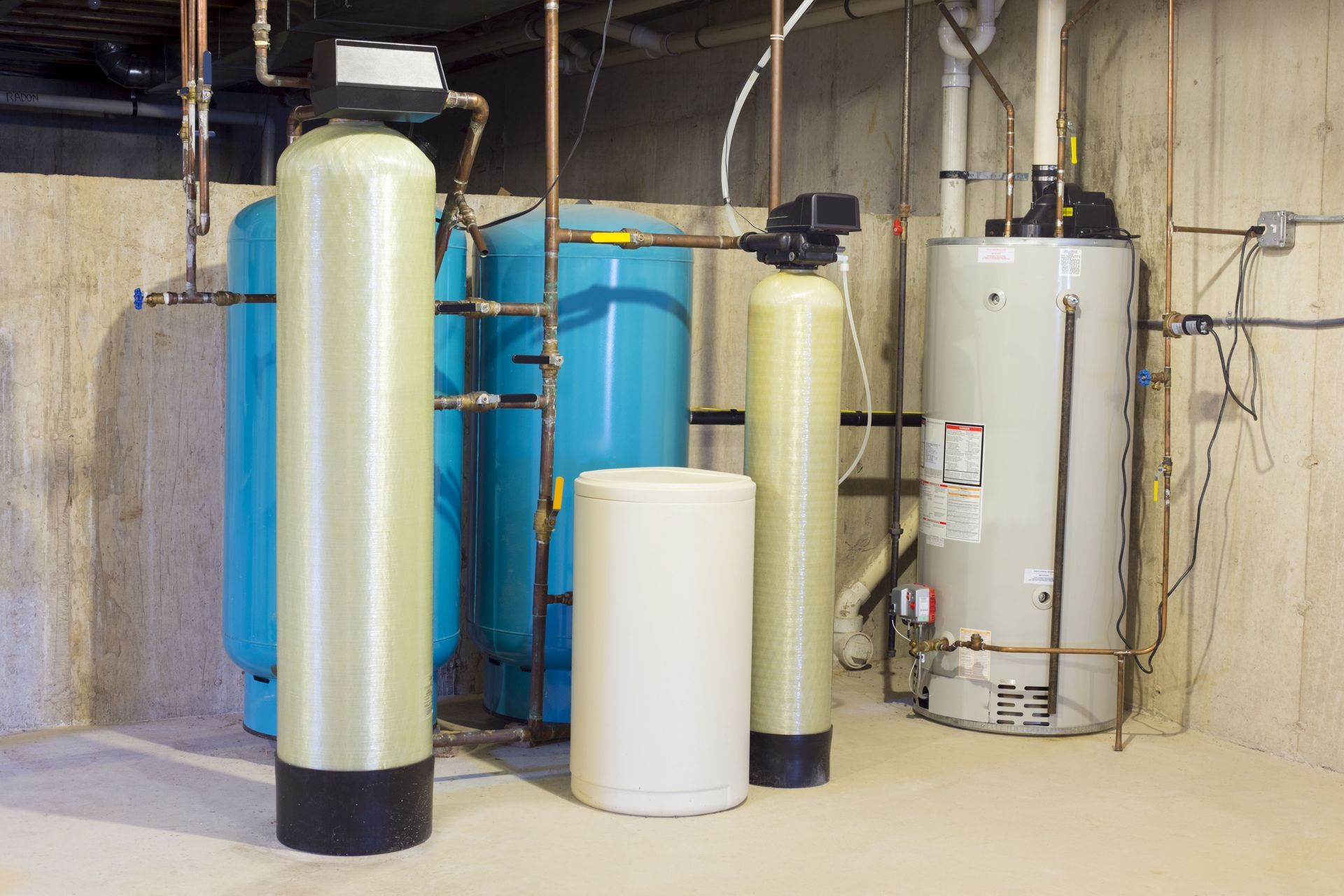
Water softening systems are available in several configurations depending on household needs and water conditions. Salt-based systems are commonly used and operate through ion exchange to reduce hardness minerals. Dual-tank systems are designed to maintain continuous soft water availability by alternating between tanks during regeneration cycles. System selection often depends on household water usage and the severity of water hardness when comparing local whole house water softener systems.
Explain Water Softener Function
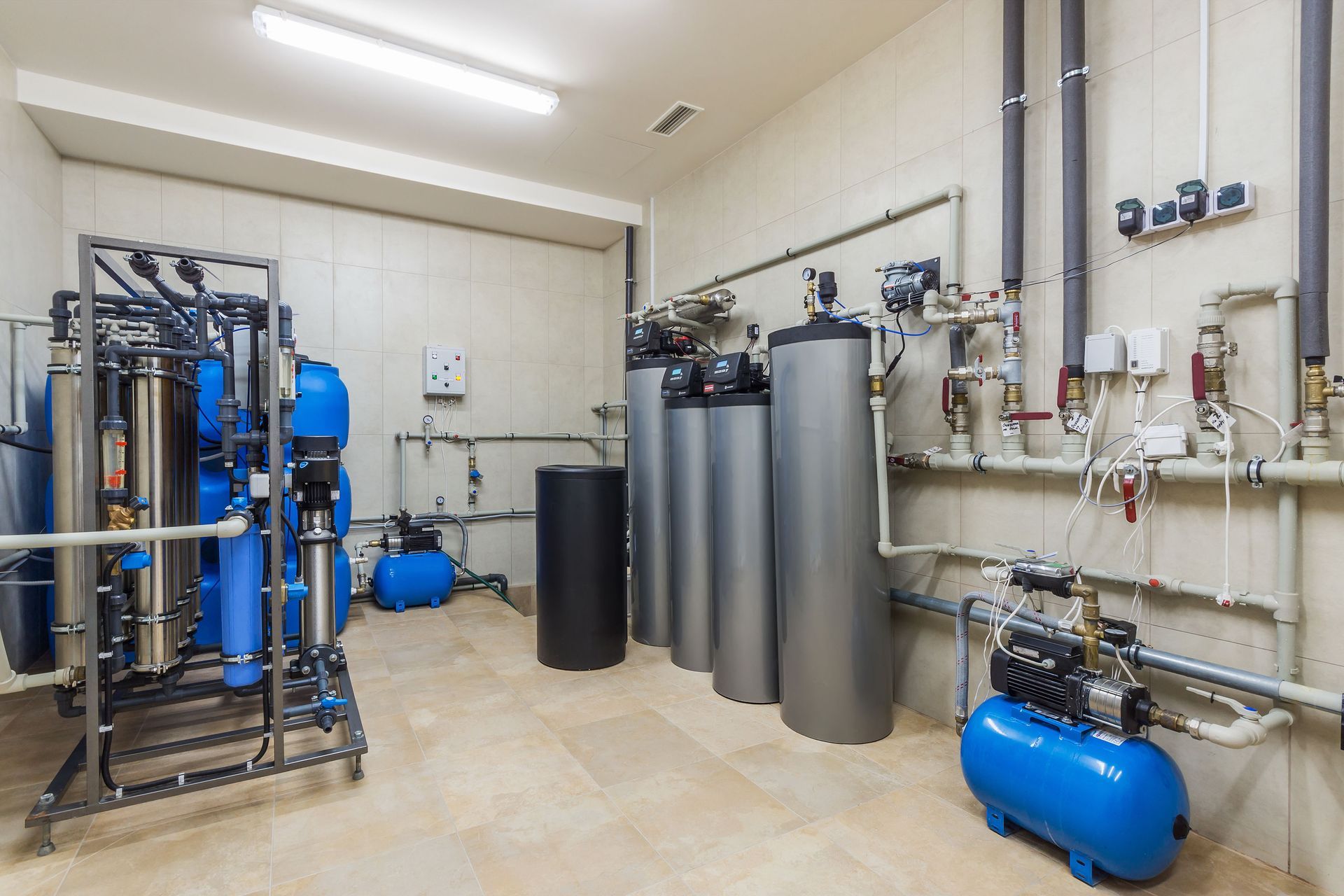
Most water softeners operate through a process where hardness minerals are captured and exchanged within a specialized resin bed. As water flows through the system, calcium and magnesium are removed and replaced through a controlled process. Over time, the system refreshes itself through a regeneration cycle that restores its ability to continue treating water effectively. This process allows local whole house water softener systems to maintain consistent performance over time when properly matched to household demand.
Identify Hard Water Effects
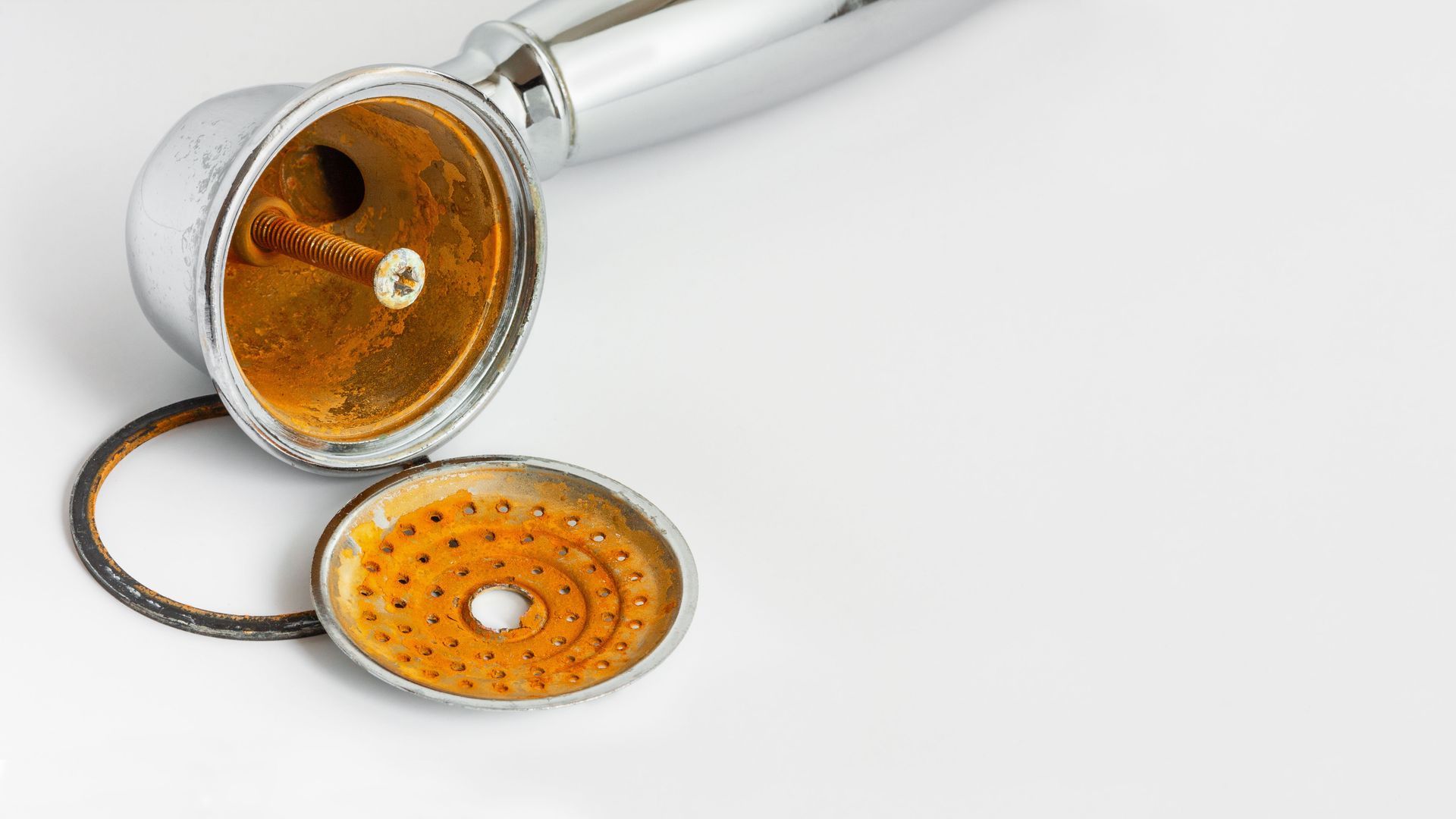
Hard water can create a range of household issues, including mineral buildup inside plumbing systems and appliances. This buildup can reduce water flow efficiency and contribute to increased maintenance needs over time. It may also affect everyday tasks such as cleaning and laundry by reducing the effectiveness of soaps and detergents and leaving behind visible residue on surfaces. Many homeowners begin researching local whole house water softener systems after noticing these recurring problems.
Simple Water Hardness Conditions
Test Water Conditions
Understanding water conditions is an important first step in selecting a water treatment system. Water testing helps identify hardness levels and other common water concerns such as iron, sulfur, or sediment. This information provides a clearer picture of what type of system may be needed to address specific water quality issues. It also helps determine whether local whole house water softener systems are appropriate for the home.
Measure Hardness Levels
Water hardness is typically measured by the concentration of dissolved minerals in the water supply. These levels can vary significantly depending on location and water source. Identifying whether water is lightly or heavily affected by hardness helps determine the appropriate treatment approach and system capacity. This is especially important when evaluating local whole house water softener systems for long-term use.
Review Testing Accuracy
Accurate water testing helps ensure that the selected system matches the actual conditions in the home. Without proper testing, systems may be incorrectly sized or not fully suited to the specific water issues present. Dependable results help guide more effective treatment decisions and improve long-term performance. This step is essential when selecting local whole house water softener systems.
Practical System Performance Features
Size Systems Correctly
Choosing the correct system size is essential for effective performance. System capacity should align with both household water usage and the level of hardness in the water supply. A properly sized system helps ensure consistent treatment without unnecessary strain on the equipment. This is especially relevant when comparing local whole house water softener systems.
Run Regeneration Cycles
Water softening systems require periodic regeneration to maintain effectiveness. Some systems operate on a timed schedule, while others regenerate based on actual water usage. Demand-based regeneration is often used to improve efficiency by responding directly to household consumption patterns. This feature can vary across local whole house water softener systems.
Improve System Efficiency
Efficiency plays an important role in system performance and long-term operating costs. Systems that are designed to optimize water and salt usage can help reduce waste while maintaining consistent treatment. Efficiency is especially important in households with higher water demand. According to Market Research Future, hard water can double energy use in water heaters and leads homeowners to spend 20–30% more on energy overall due to scale-induced inefficiencies in appliances.
Balanced Cost and Value Factors
Estimate Initial Costs
The cost of a water softening system can vary depending on system type, capacity, and features. Higher-capacity or multi-stage systems may involve a larger initial investment. It is important to consider both system performance and long-term suitability when evaluating options. This applies directly to local whole house water softener systems.
Plan Installation Needs
Installation requirements can vary depending on the system and existing plumbing setup. Proper installation ensures that the system functions correctly and integrates effectively with household water lines. Planning for installation is an important part of the overall selection process. This is a key consideration for local whole house water softener systems.
Track Operating Costs
Water treatment systems typically involve ongoing operating costs such as consumables and routine maintenance. These costs may include materials used in the regeneration process and occasional service needs. Understanding these ongoing requirements helps provide a more complete picture of long-term ownership. This applies to most local whole house water softener systems.
Helpful Service and Support Options
Access Support Services
Support can be an important factor in maintaining system performance over time. Access to knowledgeable service providers helps ensure that questions, maintenance needs, and system adjustments can be addressed efficiently. This is especially relevant for homeowners using local whole house water softener systems.
Smart Water Treatment Provider Selection
Review Service Offerings
Water treatment providers may offer a range of services including testing, system installation, maintenance, and repair. Providers with broader service capabilities can offer more complete support throughout the life of the system. This is especially important when choosing support for local whole house water softener systems.
Start With Testing and Diagnosis
Some providers begin with water testing and diagnosis before recommending a system. This approach helps ensure that treatment solutions are based on actual water conditions rather than assumptions, leading to more effective system selection. This is often the foundation for recommending local whole house water softener systems.
Choosing a local whole house water softener systems solution involves understanding water conditions, evaluating system features, and considering long-term maintenance and support needs. A well-matched system is typically based on accurate water testing and tailored recommendations that reflect the specific conditions in the home. For homeowners seeking professional water testing, system installation, maintenance, and repair services, Eenigenburg Quality Water provides comprehensive water treatment solutions designed to address a wide range of residential water quality needs.

Share On: