Clean water is essential for drinking, cooking, bathing, and everyday household tasks. However, water quality can vary depending on its source, plumbing, and the substances it collects along the way. Unwanted minerals, sediment, and other contaminants can affect water's taste, appearance, and usability. Homeowners often turn to water treatment to address these concerns and make their household water better suited to their needs.
Understanding what is present in the water can help homeowners make informed decisions about the right solution. Whether the concern involves hard water, unpleasant odors, or visible particles, identifying the underlying issue is an important first step. With the right system in place, households can address specific water quality concerns and support the long-term care of their plumbing and appliances.
Improving Water Taste and Odor
Unpleasant tastes and odors are among the most noticeable reasons homeowners investigate their water quality. Depending on the source, household water may have a chlorine-like smell, a metallic taste, or other characteristics that make it less appealing to drink. These issues can affect the enjoyment of drinking water and may influence how homeowners use it for cooking and preparing beverages.
Water treatment systems can target specific substances that contribute to taste and odor concerns. For example, activated carbon filtration can reduce chlorine and certain organic compounds, depending on the system's design and certification. Addressing these issues can make drinking water more pleasant and encourage households to use their tap water with greater confidence.
Reducing Unwanted Minerals and Hardness
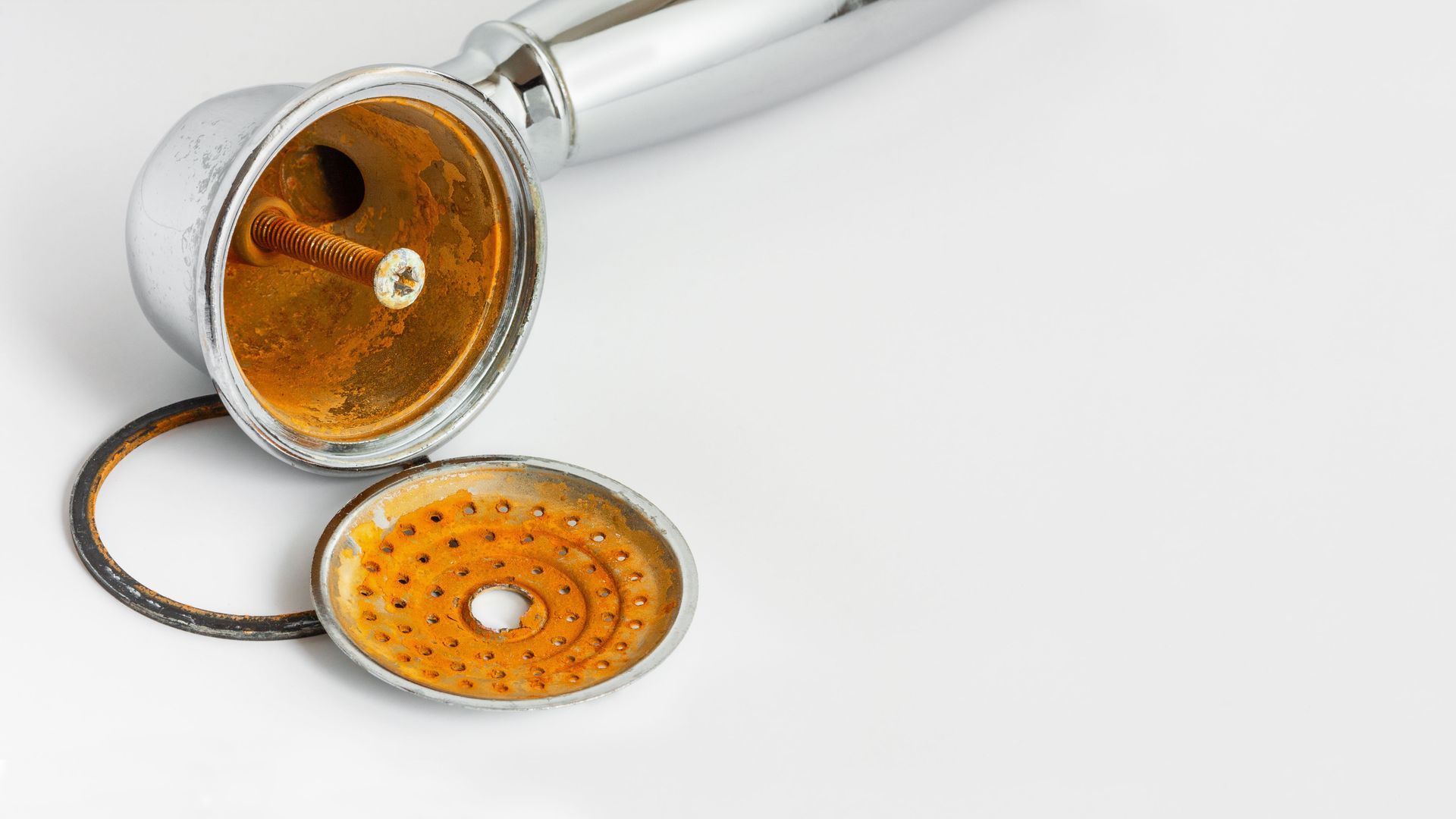
Hard water contains elevated concentrations of dissolved minerals, particularly calcium and magnesium. Although these minerals are not generally considered a health concern at typical household levels, they can create maintenance problems throughout the home. Mineral deposits may accumulate on faucets, showerheads, fixtures, and inside water-using appliances.
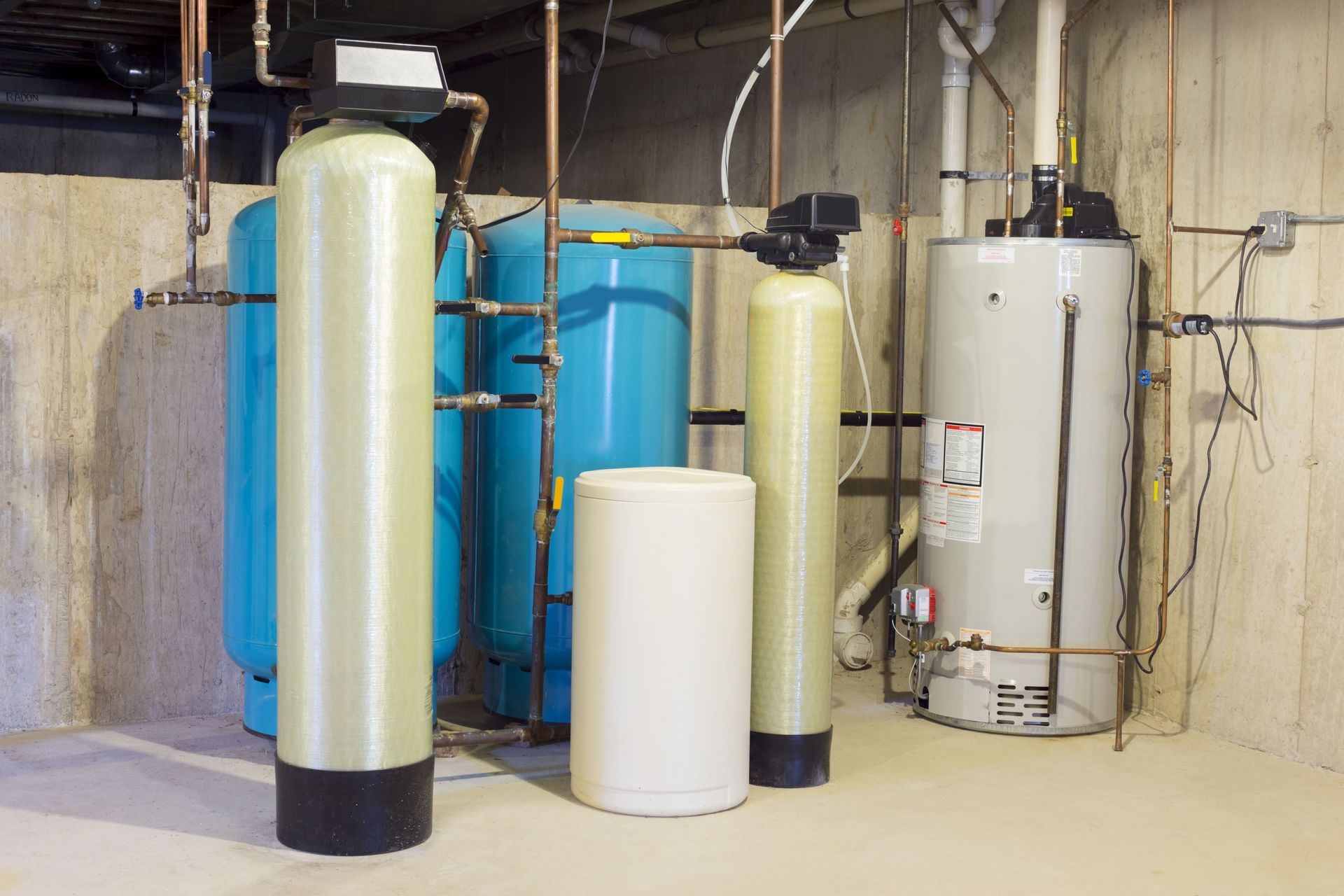
A water softener system can reduce hardness by exchanging calcium and magnesium ions for sodium or potassium ions. This process helps limit scale buildup and can make household cleaning easier. Homeowners may notice fewer mineral spots on dishes, less residue on bathroom fixtures, and improved soap performance.
Choosing the right water treatment approach depends on the water's measured hardness and the household's needs. Testing can help determine whether softening is appropriate and what system capacity may be necessary.
Protecting Plumbing and Household Appliances
Mineral buildup and sediment can affect more than the appearance of household fixtures. Over time, deposits may collect inside pipes, water heaters, dishwashers, washing machines, and other equipment that relies on a steady water supply. This accumulation can reduce efficiency and increase maintenance needs.
Treating water based on its specific characteristics can help limit certain forms of buildup. For example, a properly sized water softener can reduce the minerals responsible for hard-water scale. Sediment filtration can also capture particles before they enter plumbing fixtures or equipment.
Homeowners should remember that no single system removes every possible contaminant. A professional evaluation can help identify the substances present and determine which treatment technologies are suitable. Selecting equipment based on test results helps avoid paying for features that a household may not need.
Addressing Specific Water Quality Concerns
Water quality concerns differ from one property to another. Municipal water supplies and private wells can contain different substances, and the appropriate treatment depends on what testing identifies. Some homeowners may be concerned about sediment or chlorine, while others may need to investigate iron, sulfur, or other naturally occurring substances.
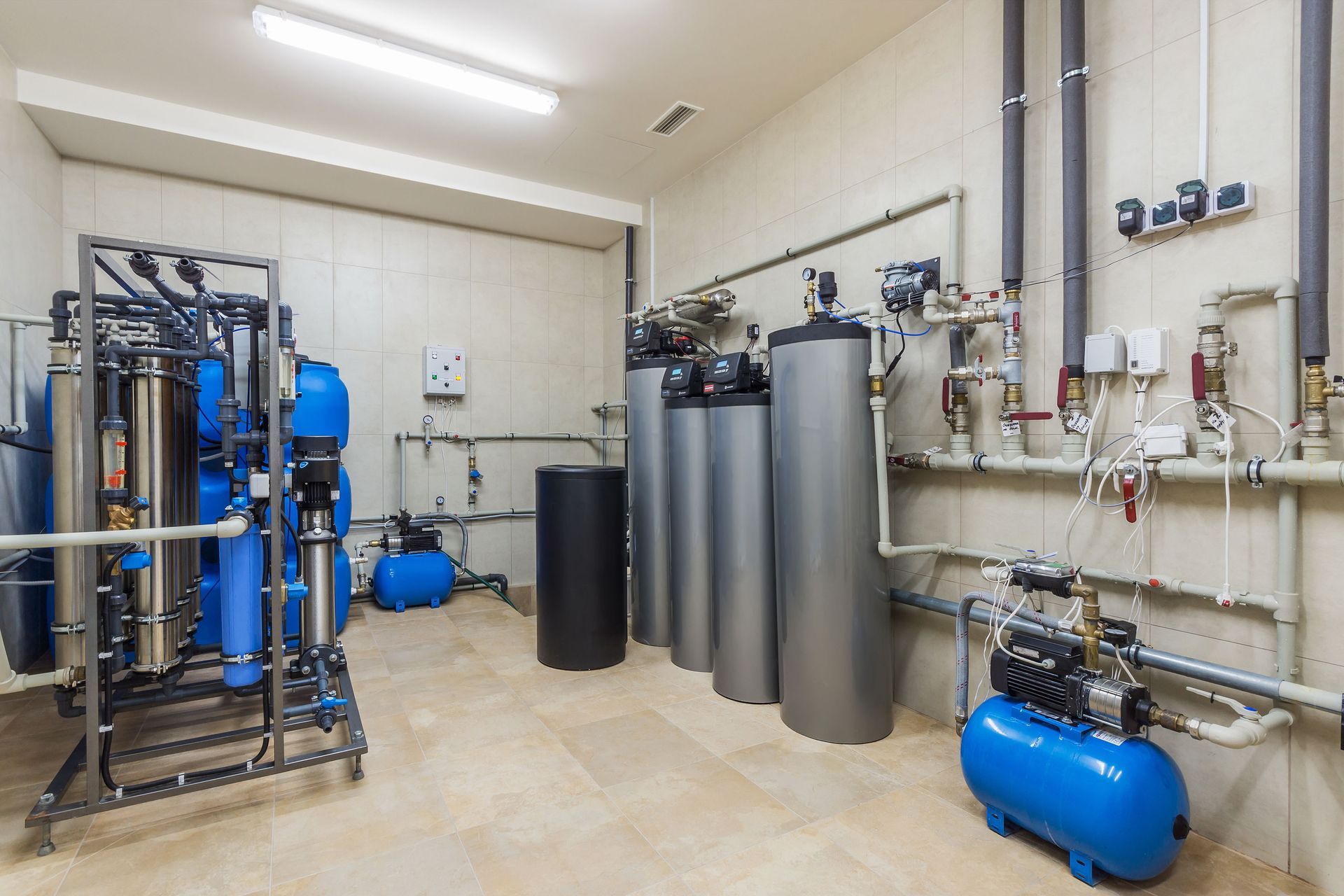
A targeted water treatment system can address identified concerns more effectively than choosing equipment based on general assumptions. Common treatment methods include:
- Sediment filtration: Captures suspended particles such as sand, rust, and dirt.
- Activated carbon filtration: Reduces chlorine, certain organic compounds, and some substances that affect taste and odor.
- Water softening: Reduces calcium and magnesium that cause hardness.
- Reverse osmosis: Uses a semipermeable membrane to reduce many dissolved substances, depending on system performance.
The best solution depends on the contaminants present, the amount of water a household uses, and the system's capabilities. Water testing is an important first step in making an informed selection.
Supporting Greater Confidence in Household Water
Homeowners may feel more comfortable using their water when they understand what it contains and have taken steps to address identified concerns. This can be especially important for households that rely on private wells, where the owner is responsible for arranging appropriate testing and maintenance.
According to the Water Quality Association's 2025 Consumer Insights Report, ownership of water treatment products has increased by 35% since 2021. This growth reflects greater consumer adoption of treatment solutions, including water softener systems, as homeowners seek to address water quality concerns.
However, installing a filtration or softening system does not automatically make water safe from every possible contaminant. Homeowners should choose systems with performance certifications relevant to their specific concerns and continue following recommended testing schedules. Understanding what a system can and cannot remove is essential to using it appropriately.
Making Cleaning and Daily Tasks Easier
Water quality can influence the effort required for routine household cleaning. Hard water may leave cloudy spots on glassware, residue on shower doors, and mineral deposits around sinks and faucets. These marks can require additional scrubbing and cleaning products to remove.
A properly selected water treatment solution can help reduce some of these inconveniences. Water softening, for instance, can limit mineral deposits and help soap lather more effectively. This may make bathing, washing dishes, and cleaning bathroom surfaces easier. Homeowners may also notice less scale buildup on appliances and fixtures, helping maintain a cleaner appearance throughout frequently used areas. Reducing mineral residue can make routine upkeep less time-consuming and help protect surfaces from persistent deposits.
The results depend on the home's water conditions and the equipment installed. Homeowners should also follow the manufacturer's maintenance recommendations, including replacing filters and replenishing water softener salt when needed. Routine upkeep helps systems continue performing as intended.
Choosing a Solution That Fits the Household
Selecting a water treatment system involves more than choosing a product based on its advertised features. Homeowners should consider their water source, test results, household size, daily water use, and the specific issues they want to address.
A professional assessment can help determine which technologies are appropriate and whether more than one type of treatment is necessary. It can also help establish the right system capacity and identify installation or maintenance considerations.
Before making a decision, homeowners should ask about:
- Which contaminants or water characteristics the system is designed to address.
- Whether the equipment has relevant third-party performance certifications.
- How often filters or other components need to be maintained.
- The system's capacity and expected operating requirements.
- What follow-up testing or service may be recommended.
A solution tailored to the household's water quality is more likely to address the actual problem than a one-size-fits-all approach.
Improving Household Water With the Right Treatment
Unwanted minerals, sediment, and other water-quality issues can affect how homeowners use and maintain their water. With appropriate testing and equipment, water treatment can help address specific issues, protect plumbing and appliances from certain types of buildup, and make everyday tasks more convenient. Understanding the household's water conditions is the first step toward choosing an effective solution.
A customized approach also helps ensure the selected equipment addresses the concerns identified through testing rather than relying on unnecessary features. Regular maintenance and follow-up evaluations can help keep the system operating as intended and provide continued support for changing household water needs. Contact Eenigenburg Quality Water today to schedule a water evaluation and learn which treatment options may be right for your home.

Share On: